djnickels53's pick · Updated September 2026
DJI Neo
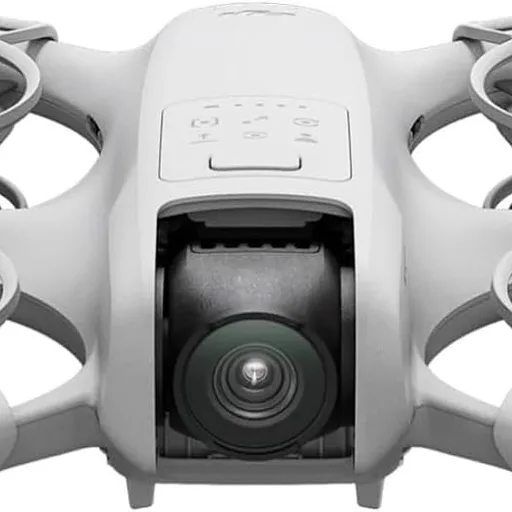

The DJI Neo may suit someone who wants a compact drone that lowers the barrier to entry without giving up the basics people expect from a camera drone. The headline features point to a very specific kind of buyer: someone who values portability, wants the option to fly without a controller, and likes the idea of simple subject tracking and automatic shot styles more than a deep manual setup. In that sense, it feels aimed at casual creators, first-time drone buyers, and travelers who want something small enough to carry without planning around it.
The 135g weight is part of the appeal. A lighter drone is easier to pack, easier to hand off between locations, and less of a commitment than a larger rig that needs a dedicated case and more room in the bag. Palm takeoff is another practical detail worth noticing, because it can make the drone feel more approachable for quick flights where you do not want to unpack a controller and go through a longer setup. The built-in propeller guard also suggests a design meant to reduce some of the anxiety that comes with flying around people or in tighter spaces, though buyers should still check the actual safe-use guidance before treating that as a free pass.
The camera and stabilization claims are the other main reasons to look at it. A 4K camera, stabilized video, QuickShots, and subject tracking all point toward a drone that is trying to make getting usable footage feel simpler than managing a full manual flight path. That can matter a lot if the goal is quick social clips, travel footage, or general video capture without a steep learning curve. The controller-free angle may be especially appealing if the buyer wants a drone that can do more on its own and does not want to learn every control on day one.
One thing to verify is how much control you actually want over the flight. A controller-free drone can be a strength for convenience, but it can also be a tradeoff if you expect precise piloting, longer creative framing, or a more hands-on camera workflow. It is worth checking battery life, range, app requirements, and whether the auto features still leave enough room for the kind of shots you want. Those details matter more than the headline feature list, especially with a product that leans on automation.
The evidence here is limited to the listing facts, so the safest read is to treat this as a feature-driven recommendation rather than a performance verdict. The listed specs suggest a drone built for easy use, compact carry, and quick social-ready capture, but real-world value will depend on how well the software, stabilization, and tracking hold up in actual use. That is the part to research before buying, not after.
Taken as a whole, this looks like a good fit for a buyer who wants a small, low-friction drone and cares more about convenience than maximum manual control. If the goal is a lightweight camera drone that can be taken out quickly and used without much setup, the DJI Neo has a clear place. If the goal is precision flying or a more advanced camera workflow, it is the kind of product where the convenience features should be checked carefully against your actual needs.
Some Amazon links are affiliate links. djnickels53 may earn a commission from qualifying purchases at no extra cost to you. As an Amazon Associate I earn from qualifying purchases.
See current price